
Preparing for major economic announcements is a critical skill for traders, investors, and financial professionals. These events can create sharp price movements in financial markets, influence economic expectations, and affect both short-term trading outcomes and long-term investment strategies. Knowing when major releases are scheduled, how to interpret the data, and what tools to use can help you navigate volatility effectively. Below are practical steps and strategies to help you prepare for key economic news with confidence and discipline.
Understand What Major Economic Announcements Are
Major economic announcements are scheduled reports released by government agencies or reputable financial institutions that reflect the current state of an economy. Examples include Nonfarm Payrolls (NFP), Gross Domestic Product (GDP) figures, Consumer Price Index (CPI), and central bank interest rate decisions. These reports are widely followed because they influence expectations about economic growth, inflation, and monetary policy.
Markets move because of changes in expectations. When data diverges from forecasts, traders reassess positions based on the new economic outlook. This reassessment often leads to increased volatility, which can create opportunities but also risks.
Use a Reliable Economic Calendar
A crucial tool in preparing for economic news is an economic calendar. This calendar lists upcoming data releases, scheduled speeches from central bankers, and key events with their expected release times and forecasted values.
Visit trusted sources such as the economic calendar on https://dailynewstrading.com/ to track upcoming major announcements. A calendar lets you plan ahead and avoid being caught unaware. Identify the events that are most likely to impact the markets you trade. For example, a U.S. trader paying attention to forex markets might focus on U.S. CPI, unemployment claims, and FOMC decisions.
Know the Forecast and Market Expectations
Before the announcement, check the consensus forecast. Analysts and economists typically provide estimates for economic data. The difference between actual results and these forecasts often drives market reactions. Significant deviations can cause sudden price swings.
In addition to the headline number, understand the context and market expectations. If inflation data is slightly higher than expected but still within a long-term declining trend, markets might react differently than to a sharp unexpected spike.
Prepare a Trading Plan
Preparation means having a plan. Define your risk tolerance, entry and exit points, and position size in advance. Economic news releases often lead to rapid price movements and widened spreads, making it harder to execute trades precisely at desired levels. Therefore, set conservative risk limits and avoid overleveraging.
Some traders prefer to stay out of the market during high-impact releases due to unpredictable volatility. Others may trade the breakout after the initial move stabilizes. Whatever strategy you choose, document it and stick to it rather than reacting emotionally in the moment.
Use Appropriate Tools and Platforms
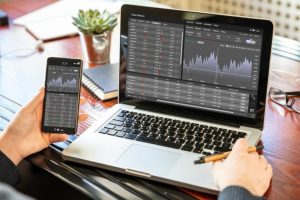
Having the right tools can make a significant difference. Real-time news feeds, economic calendars, and alert systems can help you stay informed. Some platforms allow you to filter events by importance, currency impact, and expected volatility.
Simulators or demo accounts are also helpful for practicing how to react to news releases without risking real capital. Practicing your strategy in a simulated environment helps build confidence and refine your approach under realistic market conditions.
Monitor Volatility and Liquidity
Major economic announcements often increase market volatility and reduce liquidity temporarily. This can lead to slippage on trades and large price gaps. Be aware of this risk and consider adjusting your trading approach around these times.
For example, some traders choose to tighten stop losses or take profits before a release to protect gains. Others might avoid placing new trades immediately before announcements to minimize surprise exposure.
Review and Learn from Each Event
After a major economic announcement, review your trades and outcomes. Ask yourself what went well and what could be improved. Did the market react as expected? Were your entry and exit points effective? How did volatility impact your positions?
Continual review helps you learn from real-world experience and adapt your strategy. Over time, this reflective practice can lead to more consistent performance and better preparedness for future announcements.
Stay Informed Beyond the Headlines
While news headlines capture attention, deeper analysis often reveals more insights. After the initial announcement, read expert interpretations, central bank commentary, and follow-up reports. Understanding the broader economic narrative can help you anticipate future trends and avoid making decisions based solely on short-term reactions.
Keeping abreast of macroeconomic developments and long-term indicators will provide a more comprehensive perspective beyond the immediate impact of a headline release.
Preparing for major economic announcements requires diligence, discipline, and a well-crafted strategy. By using tools like economic calendars, understanding forecasts, planning your trades, and reviewing outcomes, you can navigate news-driven volatility more effectively. For many traders, mastering “Daily news trading” techniques becomes an essential part of their skill set, helping them stay agile and informed in dynamic market conditions.